KEY TAKEAWAYS
- Treat warning signs as prompts to investigate, not proof.
- An experience can be genuine even without a completed purchase.
- Do not challenge honest criticism simply because it hurts.
Start with the claimed experience
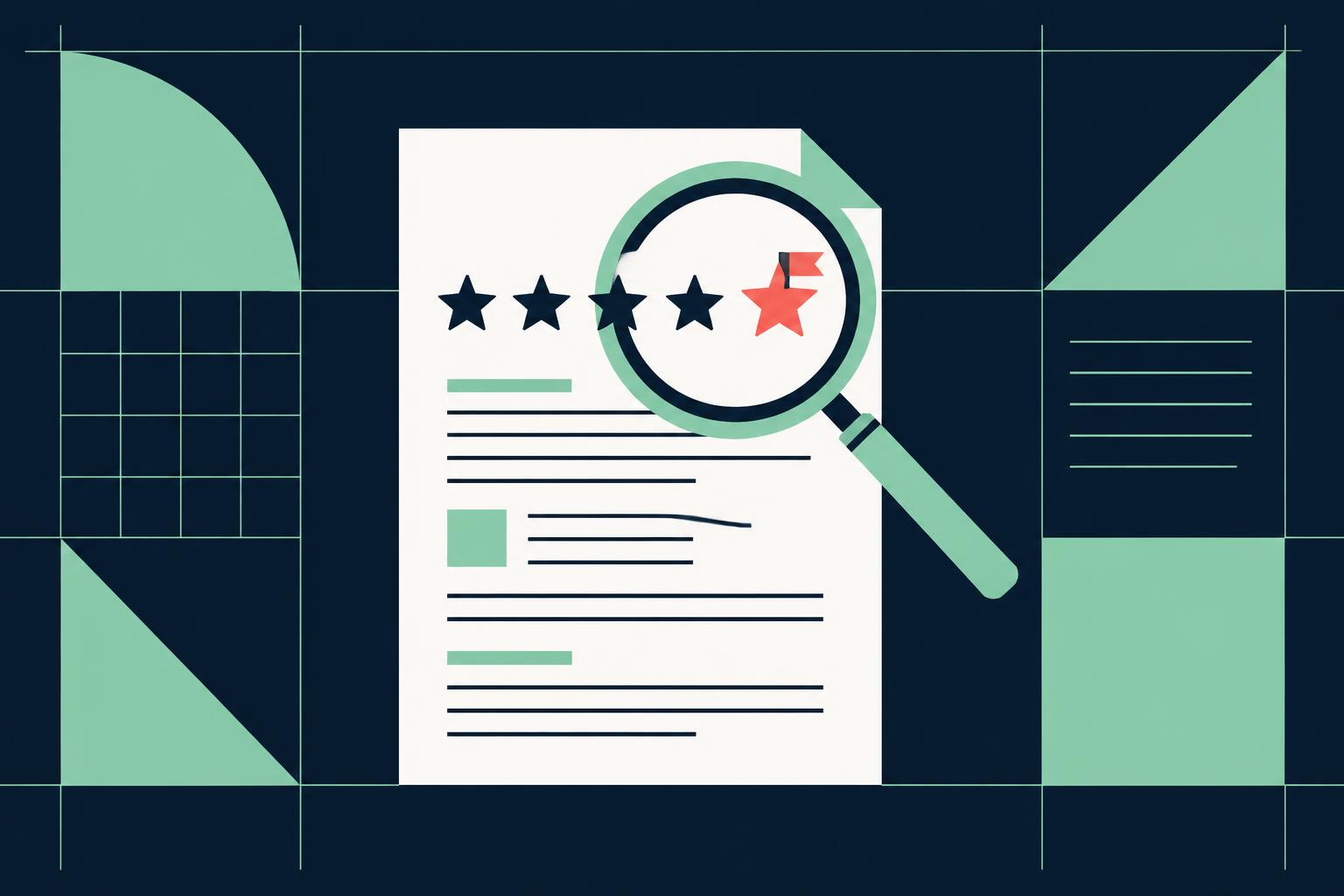
Look at what the reviewer actually describes. Is it a purchase, an enquiry, a visit or an interaction with support? Trustpilot’s reviewer guidelines are the starting point for understanding what counts as an experience, not your business’s definition of a paying customer.
An unfamiliar name, a new reviewer profile or strong language may prompt a check, but none independently establishes that a review is fake. Customers may use different display names and may post their first review after a frustrating interaction.
Investigate signals in context
A review describing a product you do not offer, a location you do not operate or events inconsistent with documented records may warrant closer examination. Preserve the details and check whether there is another explanation before reporting.
Several similar reviews can indicate a recurring service problem as well as suspicious activity. Compare the evidence, not just the wording. Do not publicly identify or confront someone based on an unverified theory about their identity.
- Check the product, location and dates mentioned.
- Search relevant enquiries as well as purchases.
- Ask internally whether the experience is recognisable.
- Record alternative explanations.
- Use official processes to request clarification where available.
Distinguish opinion from a factual allegation
“I thought the quality was poor” expresses a view. A specific accusation about something your business did may raise a factual dispute. Even then, disagreeing with an allegation does not automatically establish a platform breach or unlawful defamation.
Legal tests depend on the jurisdiction and context. Preserve the content and seek advice from a qualified lawyer if the allegation is serious. Avoid describing every unfair statement as illegal or treating a legal notice as an automatic removal instruction.
Choose the proportionate path
If the criticism reflects a real experience, reply professionally and address the underlying issue. If there is evidence of a guideline breach, submit a focused official report. If there is a serious legal concern, have an independent lawyer assess the facts.
Removed.to does not use mass-report account networks or promise to erase legitimate criticism. A sound review strategy protects the integrity of feedback while challenging content that genuinely falls outside the rules.
Sources & further reading
Platform policies may change. Consult the current official guidance before taking action. This article provides general information, not legal advice; removal is never guaranteed.
Written by Removed.to Editorial
Practical resources on legitimate review disputes and reputation management. Removed.to is not a law firm; legal services are delivered by independent, licensed partner firms.
About Removed.to